

When my son was young, and I asked him what he wanted for Christmas or his birthday, his answer never changed.
“A million dollars.”
To a child, a million dollars feels limitless. A magic number. The kind of money that makes every problem disappear. But the truth is far less romantic.
A million dollars does not stretch very far anymore. Depending on where you live, you might buy a modest home, maybe a car, and perhaps a little breathing room. Helpful, yes. Life-changing? Not really.
So let me ask a different question.
- What if the number were not one million, but tens of billions?
- What if, like Alice Walton, you suddenly became the steward of a fortune so vast it could alter not just your own life, but generations of lives you will never meet?
- What would you do with it?
- Would you protect it, grow it, pass it down, or use it to secure comfort for those closest to you and stop
Or would you build something that reaches far beyond your own world?
In 2011, Alice Walton made a choice few people expected. She is the daughter of Sam Walton, who started with a single retail store in Arkansas and built Walmart into the largest retailer on earth. When her father died, she inherited tens of billions of dollars. Instead of disappearing into a life of quiet luxury, she chose a very public act of generosity.
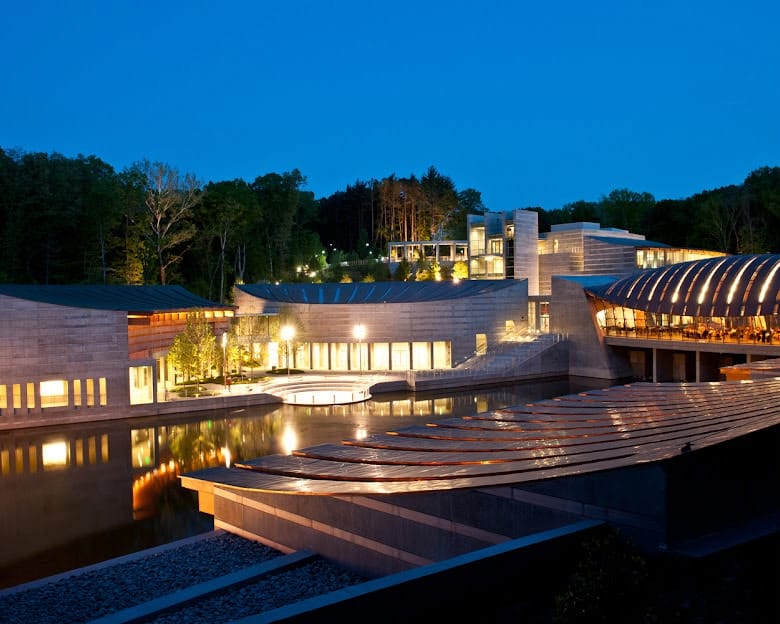
She opened the Crystal Bridges Museum of American Art. Not in New York. Not in Los Angeles. Not in Chicago. She built it in Bentonville, Arkansas. A place most Americans would struggle to locate on a map.
Inside its walls hang works by some of the most iconic American artists of all time. Norman Rockwell. Georgia O’Keeffe. Andy Warhol. Winslow Homer. Jackson Pollock.
Here, farmers and their families walk in from the fields and stand face to face with American cultural history.
And the cost to enter? Nothing. Free. Every single day.
Millions of people have now walked through those doors, not as guests of privilege, but as equals. And she did not stop there.
Alice Walton also founded and endowed a medical school with a clear purpose: to train doctors to serve rural and underserved communities where healthcare is scarce and help is often far away.
For its first students, tuition is fully covered. At a time when medical school debt follows young doctors for decades, she removed that burden entirely and redirected their futures toward communities that need them most.
Now, let us be honest, because honesty matters. Alice Walton did not earn this fortune. She inherited it. And Walmart, the company that created that wealth, has long been criticized for low wages, limited benefits, pressure on small businesses, and the concentration of extraordinary wealth at the very top.
Her philanthropy does not erase those realities. It does not solve wealth inequality. It does not absolve corporate harm. But it does force us to confront a different question. When someone is handed more money than they could ever reasonably spend, what responsibility comes with that? Some hide their wealth. Some protect it. Some measure success by how much more they can accumulate.
She chose to build. Not monuments to herself, but access. Not luxury, but opportunity. Not distance, but doors. She brought world-class art to rural America and invested in healthcare for communities that rarely make headlines.
And that brings us back to the question that matters far more than her name or her money.
If money were no object, what would you build? A bigger life for yourself? Or a better life for others?
Alice Walton did not build the empire.
But she is shaping how it will be remembered, not as the daughter of a billionaire, but as a woman of generosity, intention, and foresight.


